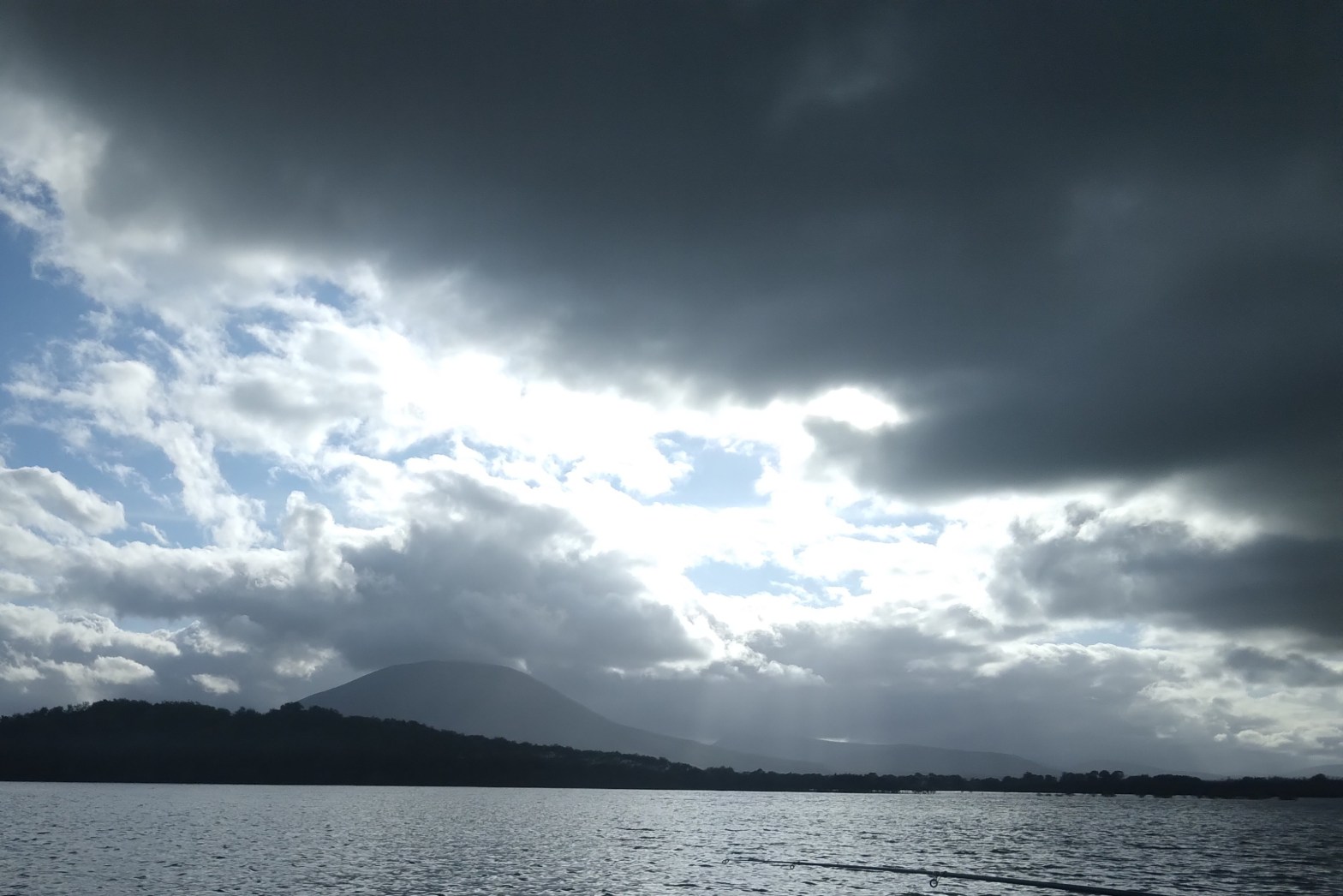
2024 proved to be a huge disappointment for game anglers across Ireland. I have no answers as to why this happened, but here is roughly how the season just gone played out.
The season started out with reports of a lot of trout being caught on Corrib by the trolling guys. This is not unusual of course as the brikeen is eagerly accepted by the hungry trout and some big baskets were boated by local anglers who know all the hot spots. The duckfly came and many fly anglers found decent sport over the holes and in sheltered bays. All in all, the season started well enough on Corrib but even from the get go, Mask struggled. Now I have to say that the weather did not help, strong easterly or northerly winds predominated and the fly fishing was tough to say the least. Cullin was surprising good early on, with a much better size of trout in the lake than we have seen for many years. The fishing there was patchy though with no signs of fly life and the fish hugging the bottom. High water persisted well into April, slowing weed growth which is such a problem on Cullin. That allowed the fishing to stretch out a bit longer than normal and some anglers had good days as long as they fished sinking lines. Conn was very, very quiet, but it is usually a late starter so nobody was too concerned. Carra was like a graveyard, with no signs of life on it at all. Never mind, the Mayfly is coming.
May rolled around, and we welcomed that rare and much anticipated beast – the visiting angler! Numbers of these fabled creatures were well down on previous seasons and who can blame them? The fishing, once so dependable, has been getting worse with every passing year while at the same time other more exotic angling locations offer better sport for the globe trotting fishers. The 6 week period from the beginning of May until mid-June is the peak season and the lads and lasses from overseas pitch up in hotels, B&B’s or stop over with friends as they fish the mayfly hatch on the big loughs. Nobody expects big bags of huge trout every day, or for the surface of the lake to be covered in hatching greendrakes each time the venture out, but they do reasonably expect some degree of sport. This year was little short of a disaster though.
I was out on the loughs most days during that six weeks and only on one day did I see a descent hatch of mayfly, and even then the trout barely showed any interest in them. Most of the time the mayfly were either totaly absent or came on only in a trickle of duns. The weather swung from flat calm and fierce sunshine, to high winds and huge rolling waves. Yet there were days of excellent conditions and still the fishing was unremittingly difficult. I personally did not fish much as I was ghillieing, but I saw excellent, highly experienced anglers toil to catch more than a couple of tiddlers. Blanks were very common and anglers began to ask what was going on. Local anglers were struggling just as badly, so why was this such a bad mayfly season? Nobody could come up with an answer, so we fished grimly on with less and less hope in our hearts as the fishless days continued into summer. Corrib was probably the best of the bunch but it was still tough going. Mask had the odd good day but in general it was poor. Conn was awful and Cullin was dead.
My own personal experiences of July and early August were that it was the best period of the whole season. Don’t get me wrong, the trout were hard to find but perseverance paid off and the willingness to adapt allowed me to catch some fish. Sinking lines were at the heart of any small successes I had. It is also worth noting that mayfly hatches continued sporadically throughout the summer and this time trout were feeding on the hatching duns. Just when we thought the fishing would pick properly the rains came, and boy did it pour down! Day after day we endured heavy rain, not the normal thundery downpours which come and go quickly. No, this was more like the rains of winter, cold and miserable. The systems were slow to react at first and the dry land drank in the moisture for a few days. Then it began to run off as the rivers rose. Two feet first, then three and by the time the rains eased off we had some systems which were five feet or more above their normal level. The runoff from the fields washed thousands of tons of earth and muck into the rivers, turning them brown. Of course the fishing came to a complete halt for those weeks.
As we nursed-coal black pints of porter in the pub, we anglers waited for the rains to cease and the water levels to drop. Surely that would bring the fish on the take! Alas, no it did not, and as we recued sunken boats and then headed back out on the water we found only further disappointment. The loughs were just as dead now as they had been before the floods. Day after fishless day ensued for the ever dwindling band of hardy souls who tried their best. It was not just fly anglers who had a lean time of it, trolling was just as unproductive. The trout were just not interested and had totally ‘switched off’.
Lots of doom and gloom, so what did cause the disastrous 2024 trout season? Everyone has their own theories, but I have yet to be convinced there is one single cause. Let’s have a look at some ideas which are doing the rounds, but please note these are just my opinions and are not backed up by any scientific research that I am aware of.
Lack of fly life. This is looks to be an obvious cause of the lack of surface feeding trout. From what I saw, the only species which were still hatching in reasonable numbers were the duckfly. Olives were very scarce, the mayfly were hatching in just a trickle on any days I was out and the number of sedges on the wing was very low. Now, I have been told there were good sedge hatches on summer evenings and some good fishing was had but daytime caddis were conspicuous by their absence. This did not just apply to stillwaters, the rivers and streams in Mayo were also barren as the normal hatches of stoneflies, IBD and LDO were all poor, leading to few rising trout. Why has this happened? I can only think that our endless poisoning of the environment is killing off our insects. ‘Spraying’ as it is known around here is so common that nobody thinks it is wrong, so huge quantities of toxic herbicides enter our watercourses.

Changes in the weather. This is being cited by many for the poor season and I can see why. Virtually the whole year we have been plagued by cold and very strong winds which chilled the top layer of the water, discouraging trout from rising. But I think more importantly, the wind direction was a big negative for us anglers. Northerly winds are what we expect in the winter, funnelling cold air from the arctic down across western Europe. That changes to warm and wet southerly or south westerly winds in the summer, or I should say that is what used to happen. Now we are getting constant winds from the north or (worse) from the east.
Added to the strange winds, we had a season of extremes in terms of precipitation. The extended wet spring was not so unusual and the dry spell which followed it was, again, pretty familiar. What was very different was the deluges of August which pushed up water levels to heights unknown for that time of the year. Rivers and loughs broke their banks in many places and flooding was common across vast swathes of the west of Ireland. While I am sure this did the local fishing no good, I am cautious about blaming the rains for all our woes in late August and September. The rain in the west did not hit the Irish midlands and the lough there, such as Owel, Ennel and Ree, fared just as badly as Mask and Conn over this side of the Shannon. They were dreadfully poor for the last 6 weeks of the season and I know of anglers who fished hard on many days but blanked on every occasion. So while the high water did not help, I am struggling to say it was the sole reason for the bad fishing.
Competition for food. A few decades ago only perch and pike were competing with trout for the food in the western loughs. Those days are far gone now, and enormous shoals of roach, rudd and bream live in our loughs. Surely there is only so much food available for the fish and if the coarse species are there in such big numbers they have to be consuming food which the trout used to feed on. The bream on Mask grow to prodigious sizes, so shoals of hungry double figure bream will get through a heck of a lot of invertebrates. Perhaps this is adding to the massive drop in flies we are seeing?
Pollution. I personally think we may be at some sort of tipping point regarding pollution in the western loughs. Intensive farming methods line farmer’s pockets but are destructive to the loughs and rivers. We can all see the sorry state of Carra and I fear the other loughs are going the same way now. The wet spring meant that the slurry spread on the sodden fields simply ran straight in the watercourses. I saw tractors shooting arcs of filth over the earth during torrential rain on several occasions. Aside from the terrible effects on water quality, all these fertilisers have encouraged weed to grow in such dense profusion that many parts of the loughs are unfishable after May. The weed grows fastest in the shallows, the exact areas where we fish for trout.
As I said earlier, I do not know the answers to why the fishing has gone so bad. 2024 was a horrible year and when you look at the possible causes I have outlined above none of them are easy to fix. What awaits us in 2025? I think nature has ways of adjusting to issues so maybe we will see an improvement next season.

 Claretbumbler